
Our short “The Gaze” will be wrapping up it’s festival run in May with Blackbird Film Festival, screening in the Stranger Danger block at 3pm on Saturday, May 2nd.

Arts Grants: What To Know Before Applying
in Advice

I’ve been on jury panels for three separate arts grants in the last year. (Two have been film-focused, one was across various visual arts.) While I can’t talk about specifics of what was discussed in each room, I can speak generally about some common patterns that I noticed across my experiences with all of them that I think will help my peers out when they submit for their next grant. I’ll share a list below of key takeaways. Some are very actionable tips. Others are just realities that hopefully offer some perspective for the next time you get a rejection and start to feel discouraged.
Clarity Is Key.
It’s way more about your clarity and ability to showcase your knowledge of how to complete the thing, than about the quality or subjective value of the eventual thing. Some artists are great at making their art but struggle to explain it. Unfortunately, that doesn’t cut it in grant applications. (If a project’s sample footage was really exciting but what that sample was meant to be part of or accomplish was unclear from the application, then that project didn’t advance.)
Preparedness and ability to follow through were the two biggest factors during the deliberations that I was part of. There’s a set amount of money you’re asking for and there’s a clear timeline in which you have to finish and prove that you did so to the grantor (usually a year). They need confidence that you can deliver on both fronts.
So, make sure your project description is clear, concise and compelling. Make sure your timeline is an actual timeline and not just a paragraph with a deadline for when you think you’ll finish it all. (The timelines that detailed their post-production order and rough delivery estimates for each stage automatically stood out as being projects by people who know what it takes to make the thing and finish it on time.) Even if you’re not completely sure of who’s doing what and when yet, create a detailed plan that you could theoretically stick to if given the funding.
Lack of Research Shows Inexperience.
An unfortunate reality is that people with pre-existing access to funding and resources are going to have the most polished work samples and probably more immediately impressive past experience and accolades. And thus, when the question of whether or not a submitter can feasibly deliver what they’re planning for and in the time they’re given, those people with existing access and experience will have an advantage. If you’re not one of those people, you can’t do anything about this. However, you can make sure that everyone in the room knows that even though you may not have the previous experience, you do seriously know your stuff. And put your best foot forward! Usually, there’s a limited runtime to the past work samples you can include. Use that opportunity wisely. Make sure your sample is as polished as possible and really showcases the tone and aesthetic of what you’re trying to make.
Inexperience was most evident in one major area - the budget breakdown. I make super-micro-budget films. My budget breakdowns rarely include the items that the average production does. My department heads are usually the entire department, for instance. But I know what I should be budgeting for so that, if given the opportunity, I could make the case for the full funding I need. Make sure you do too! Know the standard rates and fees for all production stages from start to finish. (If you don’t, find a collaborator who does.) If people will be wearing multiple hats on set, still include the standard positions in your breakdown with what their day rates would’ve been but list them as in-kind. The jury can’t make assumptions about your resourcefulness. The numbers need to make sense, both in terms of how you’ll accomplish the scope of your project on your overall budget, and in terms of showing you understand what typically goes into making the thing you’re making.
Listing that you’ll submit to top tier festivals is not a strategy. I’d say this was an area where submitters showed their inexperience, but really, applicants at all different experience levels were guilty of this. There’s nothing wrong with including top festivals or venues as a hopeful best case scenario, but the applications that most stood out were ones that answered the exhibition/release/goal question in ways that were unique to their projects. Know your target audience. Know the orgs and entities that reach that audience. Know the impact you hope to have and formulate an actual plan for making that happen. This comes back to research.
Bias Is Always a Factor.
Grant committees often go to great lengths to have diverse jury panels. I didn’t look like anyone else in the room, which isn’t uncommon for me as a mixed-race woman, but neither did the older white man in each of the rooms. Grant committees want to make sure that no one perspective will dominate or influence the overall jury selections. (I can’t say this is always the case, but thankfully it was my experience.) However, jurors are largely chosen for their professional experience within the industry and/or technical ability; not for their objectivity, critical thinking, or cultural understanding. So with that said, each juror (like all humans) comes to the table with their own biases. Some are able to recognize this in themselves and are well-versed in discussing and dissecting privilege and inequity, but that’s not always the case. In my experiences, while deliberating over projects, sometimes the perspective of an applicant from a marginalized community and the potential impact of their project wouldn’t be understood by other jurors. I am relieved to say that, for the most part, I witnessed a shift in perspective by these jurors. Through empathetic discussion, there was an openness to see outside their own life experience and appreciate the impact of a project that maybe didn’t initially resonate with them. (And in the small moments where that wasn’t the case, the majority of the room outweighed them anyway.)
In all of my jury experiences (both for these grants and for past film festival programming), there’s a stage before deliberation where each juror (or programmer) independently reviews all applications and scores them across specific criteria. There’s usually a minimum threshold set, where only the submissions that scored above a certain average of everyone’s scores will be considered and debated as a group for final decision making on deliberation day. This has knocked out sometimes over half of the applications. So, though the ones that make it past that first stage get this nuanced, socially conscious discussion where bias is checked and points of view can shift, there’s possibly the majority of submissions that aren’t getting that. While it’s important to reflect on your work after a rejection and always be looking for ways to improve and grow, I think it’s also important to know that unconscious bias and personal taste inherently influence that initial stage and that projects with real potential may not make it through.
At the end of the day, it’s all relative. Let’s say you have an amazing project and the jury is collectively really into it. But… there’s a similar project also in consideration. Your two projects could be the only two in the world focusing on a specific subject; but if both happen to be in this pool of submissions, then one or even both won’t be selected because of their lack of uniqueness. Being unique and original is a big factor in these deliberations, but not in a general sense. It’s specifically in regards to the other submissions. My point is, so much is out of your control. You can’t control what else is submitted and what else you’ll be up against or compared to. You can only submit the strongest application possible that checks all boxes as effectively as possible, and hope that you and your project’s authenticity and unique attributes shine through.
P.S. My last point about bias is especially applicable to film festival submissions. For more hot tips in that category, check out the resources below.
"Affliction" Teaser
in Short Films
We shot “Affliction” back in August and cannot wait to premiere it at Queens World Film Festival next month. In the meantime, check out the teaser trailer. And find out more about the film in our BTS post.
Affliction at Queens World Film Festival
We’re so excited to have the world premiere of our short “Affliction” at our favorite local festival, Queens World Film Festival! Details soon. We hope you can join us!
UPDATE:
"Affliction" was meant to premiere on March 28th as part of Queens World Film Festival, but the festival ended up happening virtually with all films up for 10 days. It was rushed and had some shortcomings (no Q&A, for instance), but we're thankful that the festival directors where able to pull pivoting online off last minute instead of canceling as other March festivals have done. Our film had 217 views and got some great reactions on social media.
IndieWorks - January Recap
in IndieWorks
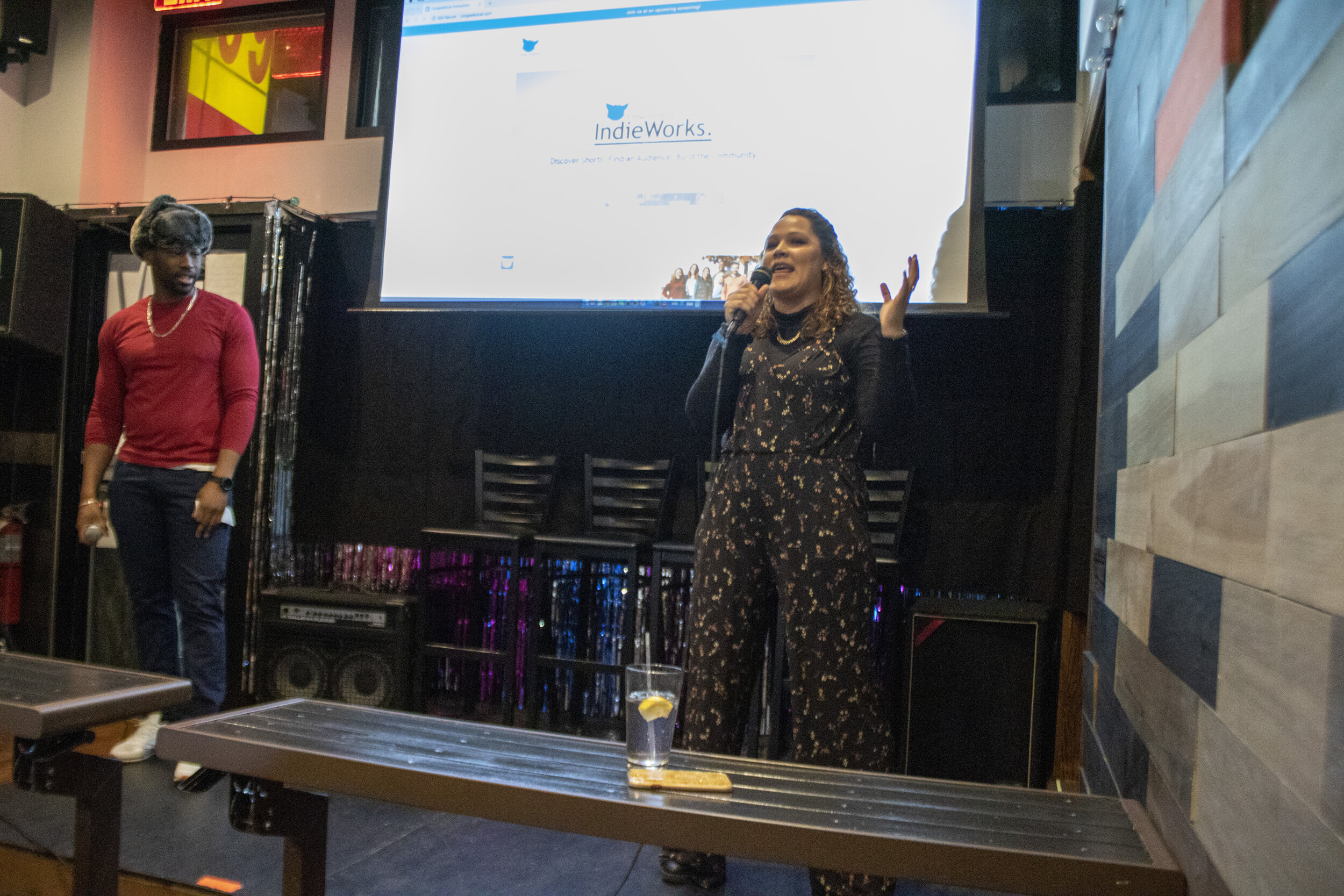
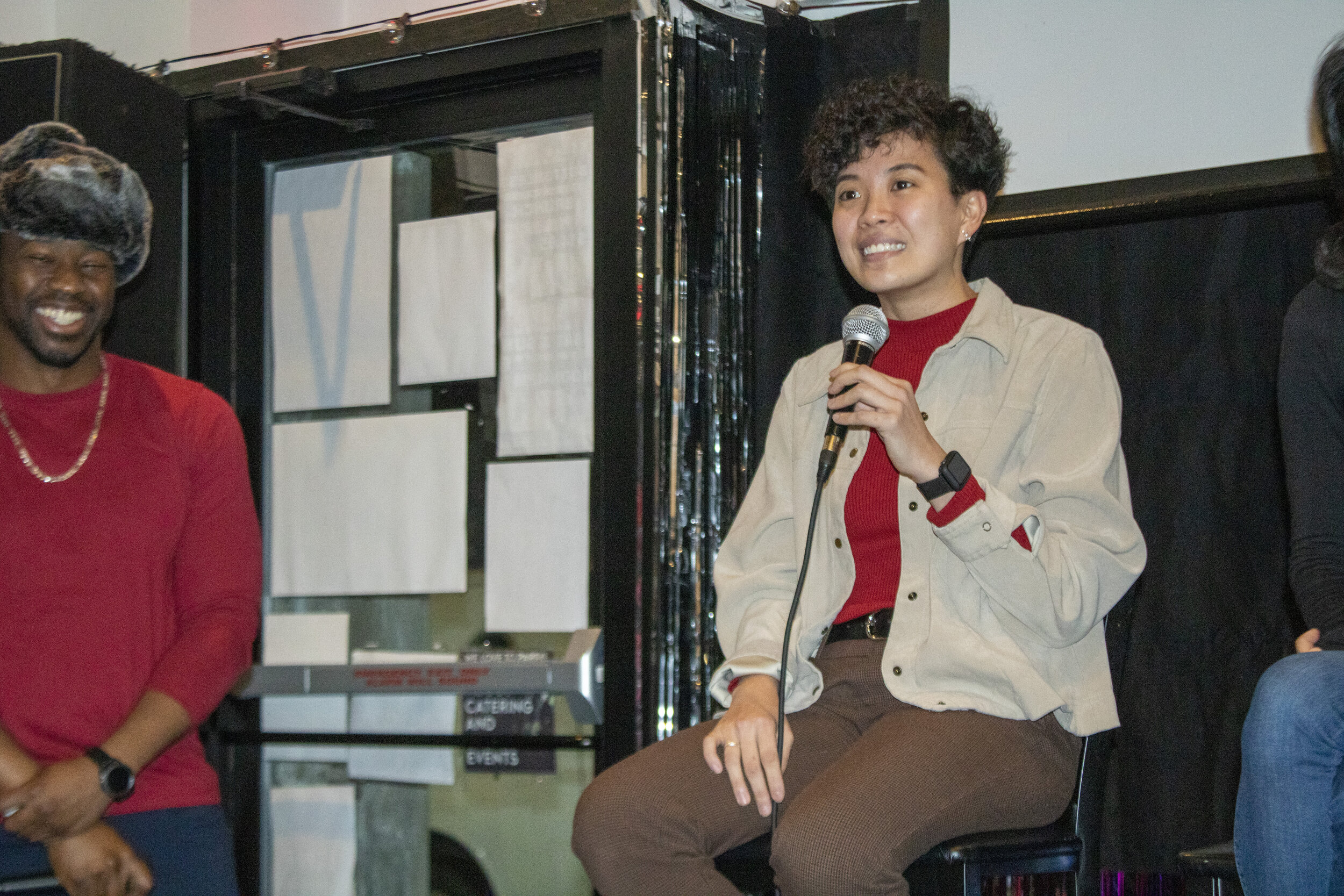
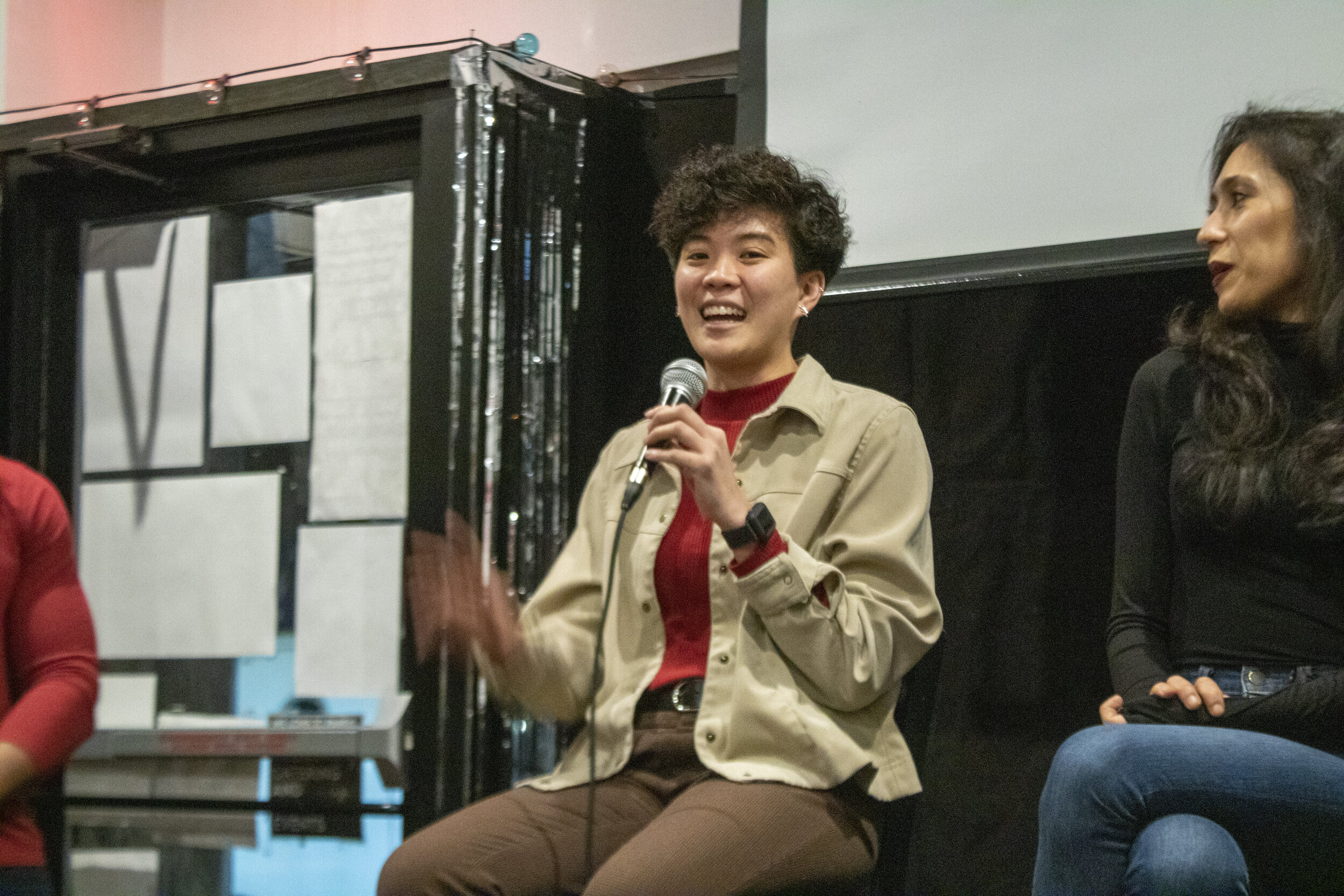
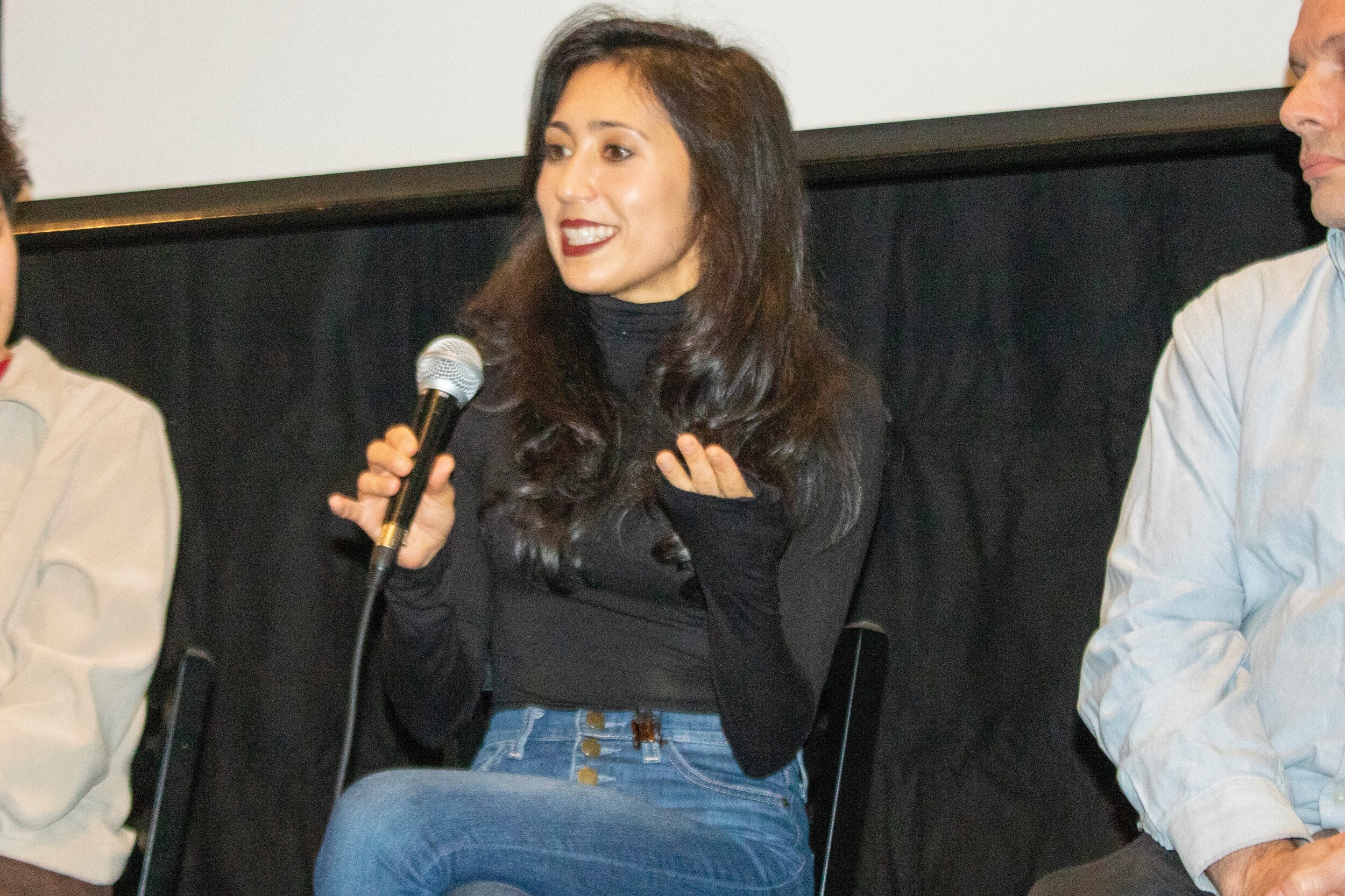
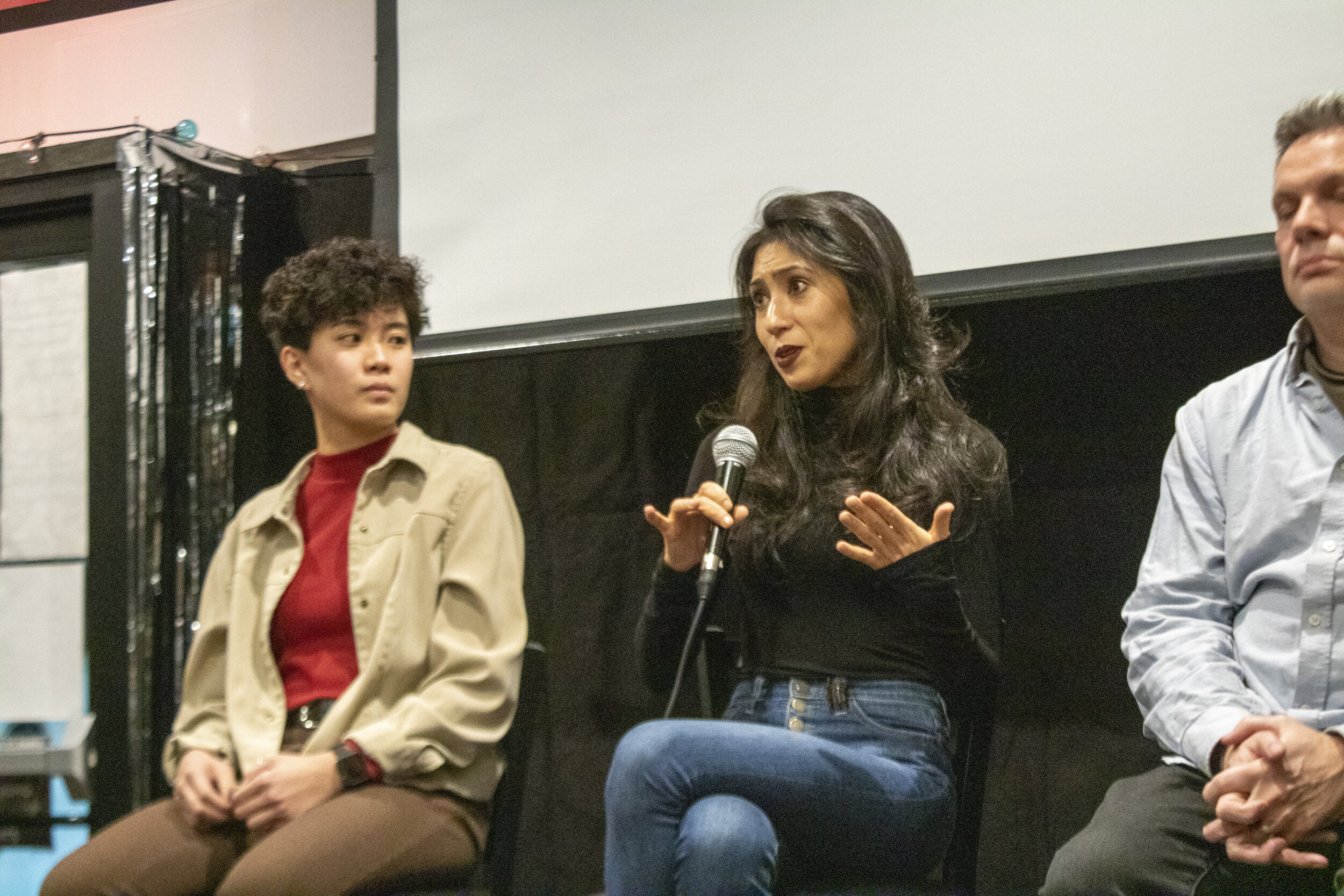
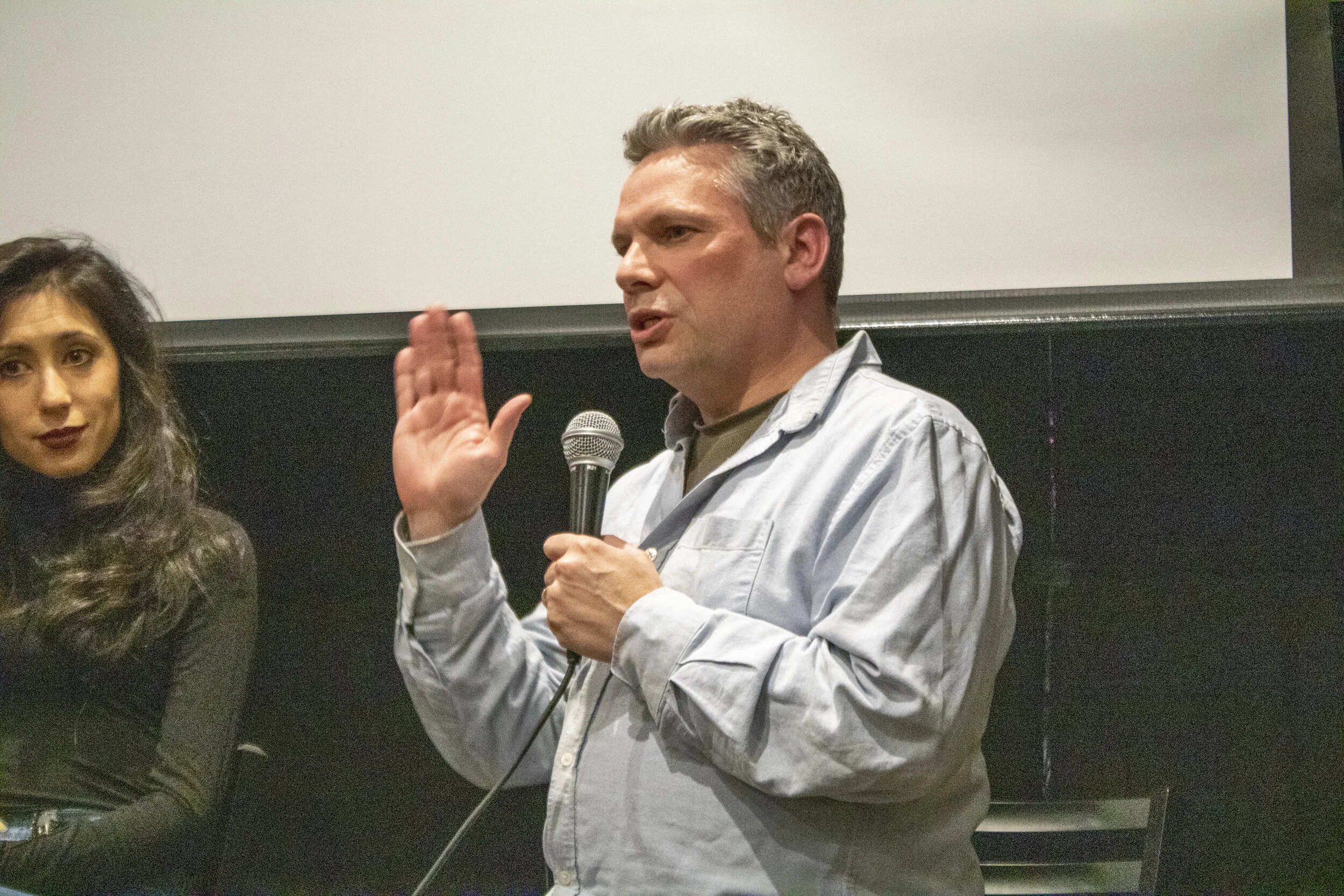
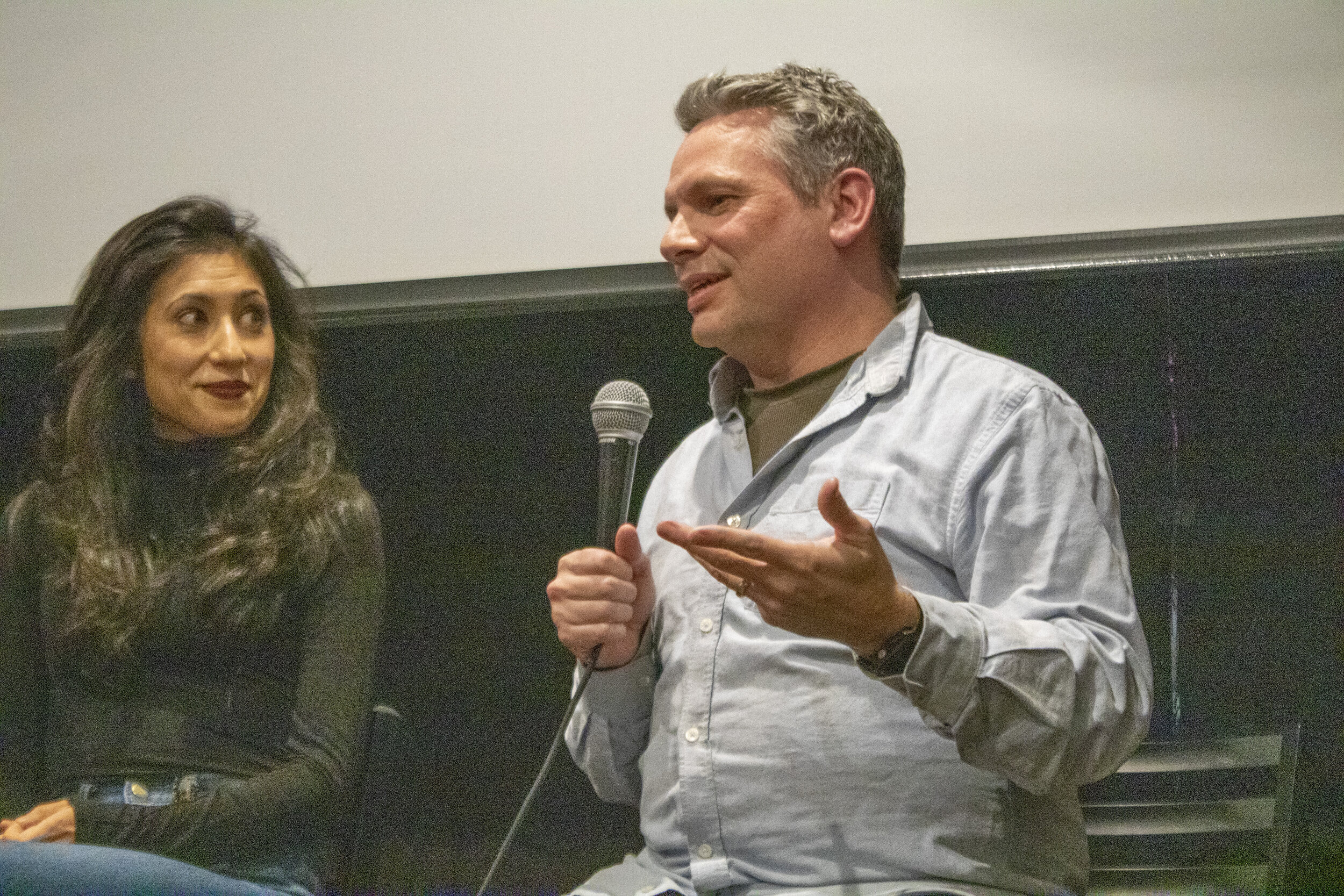
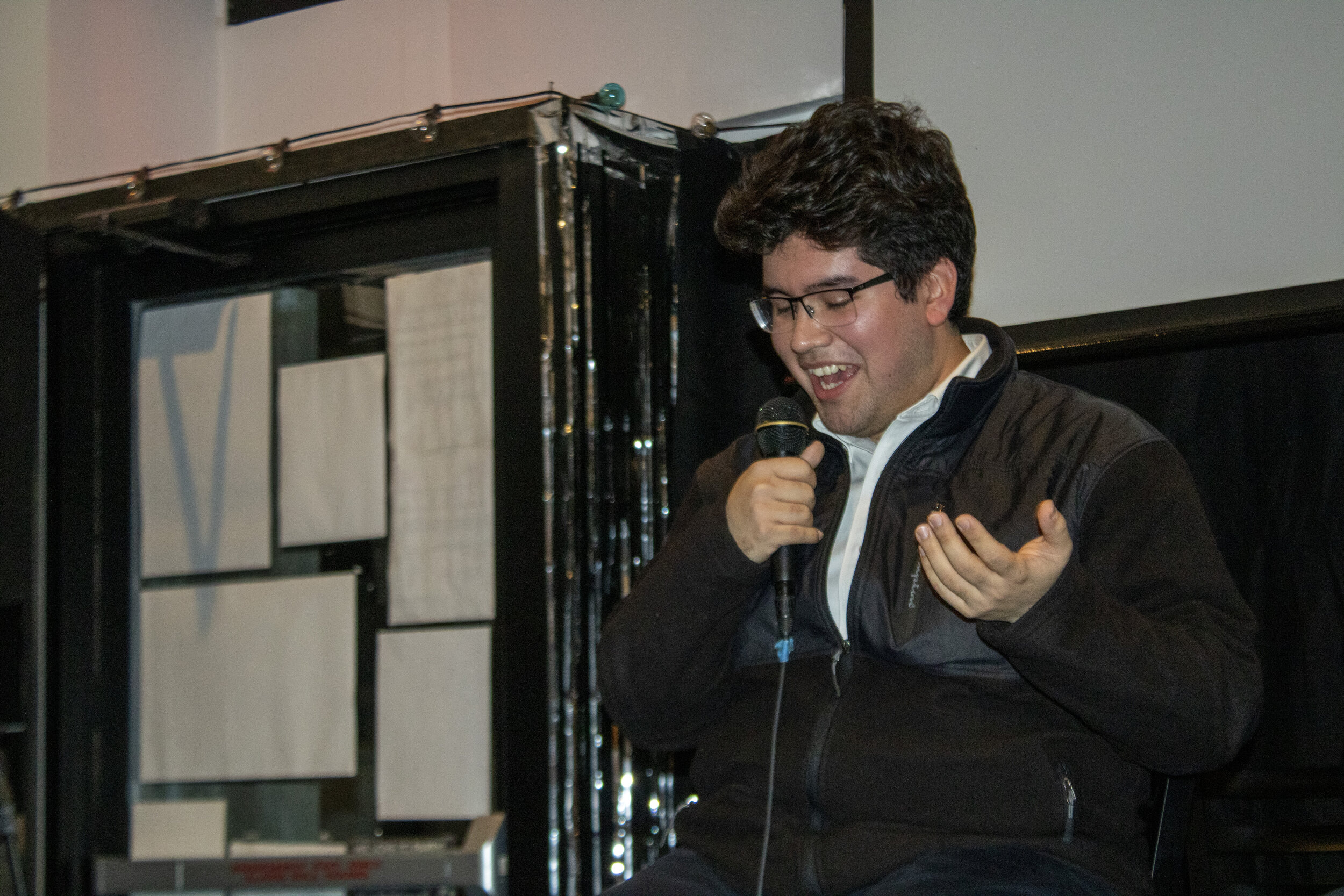
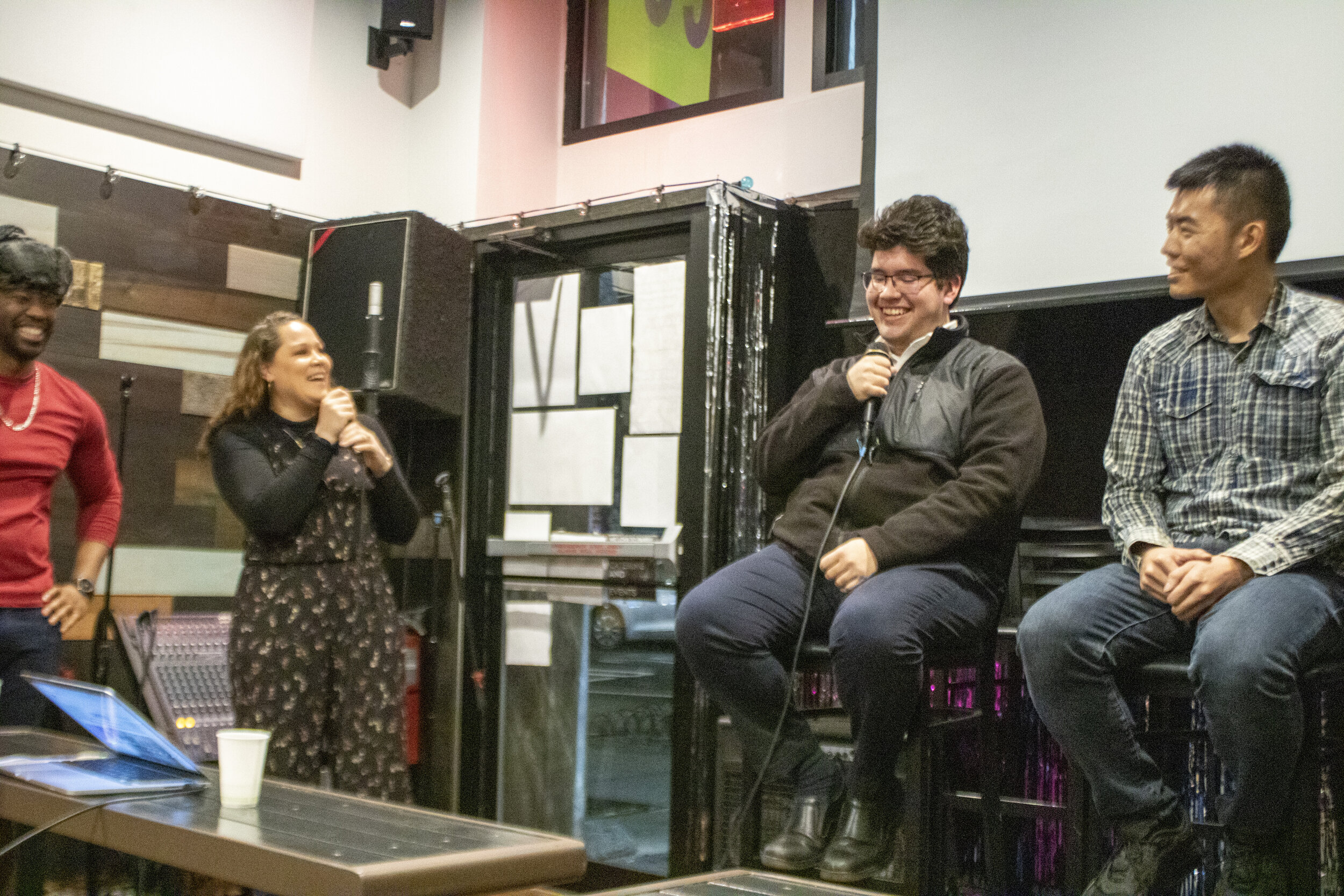
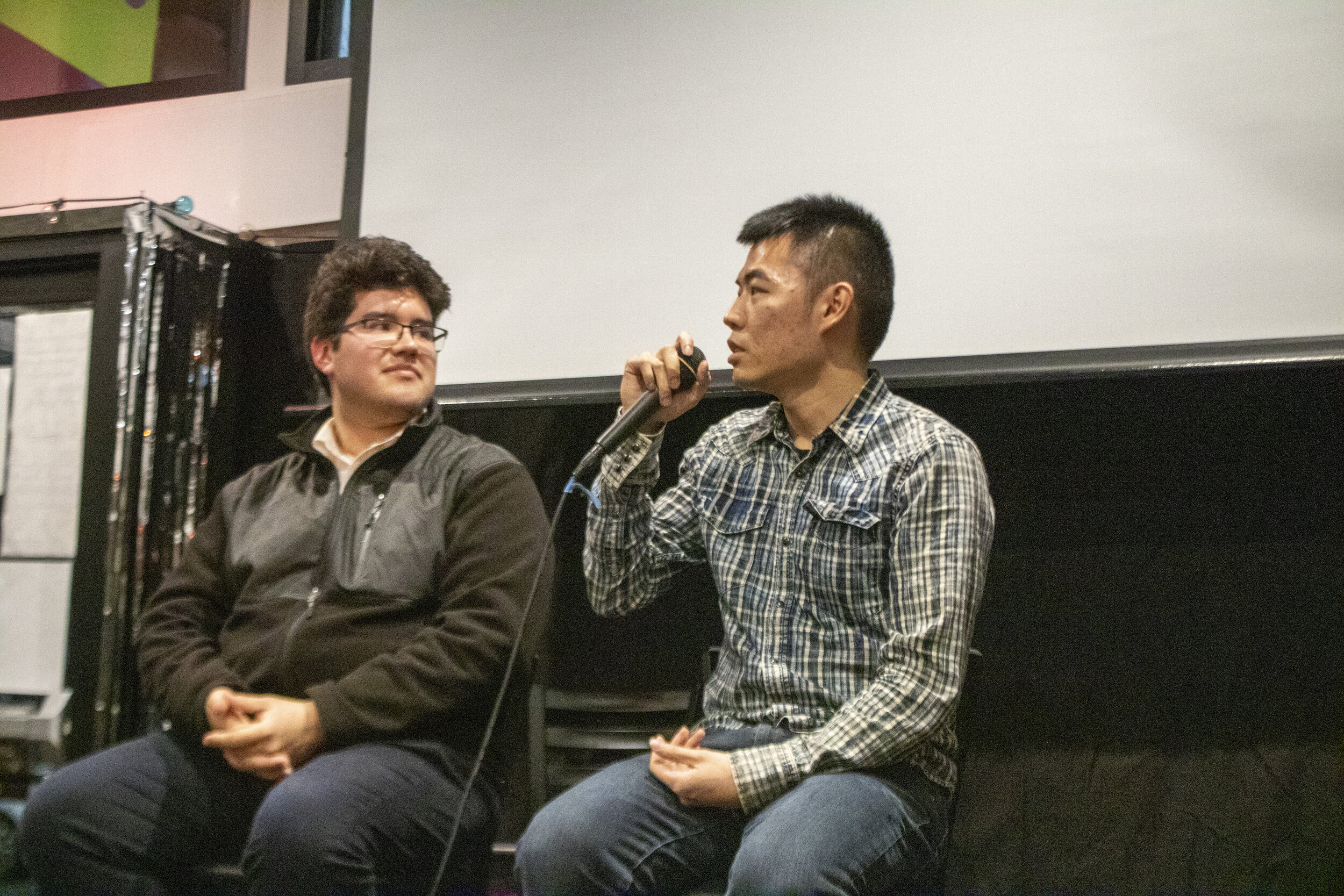
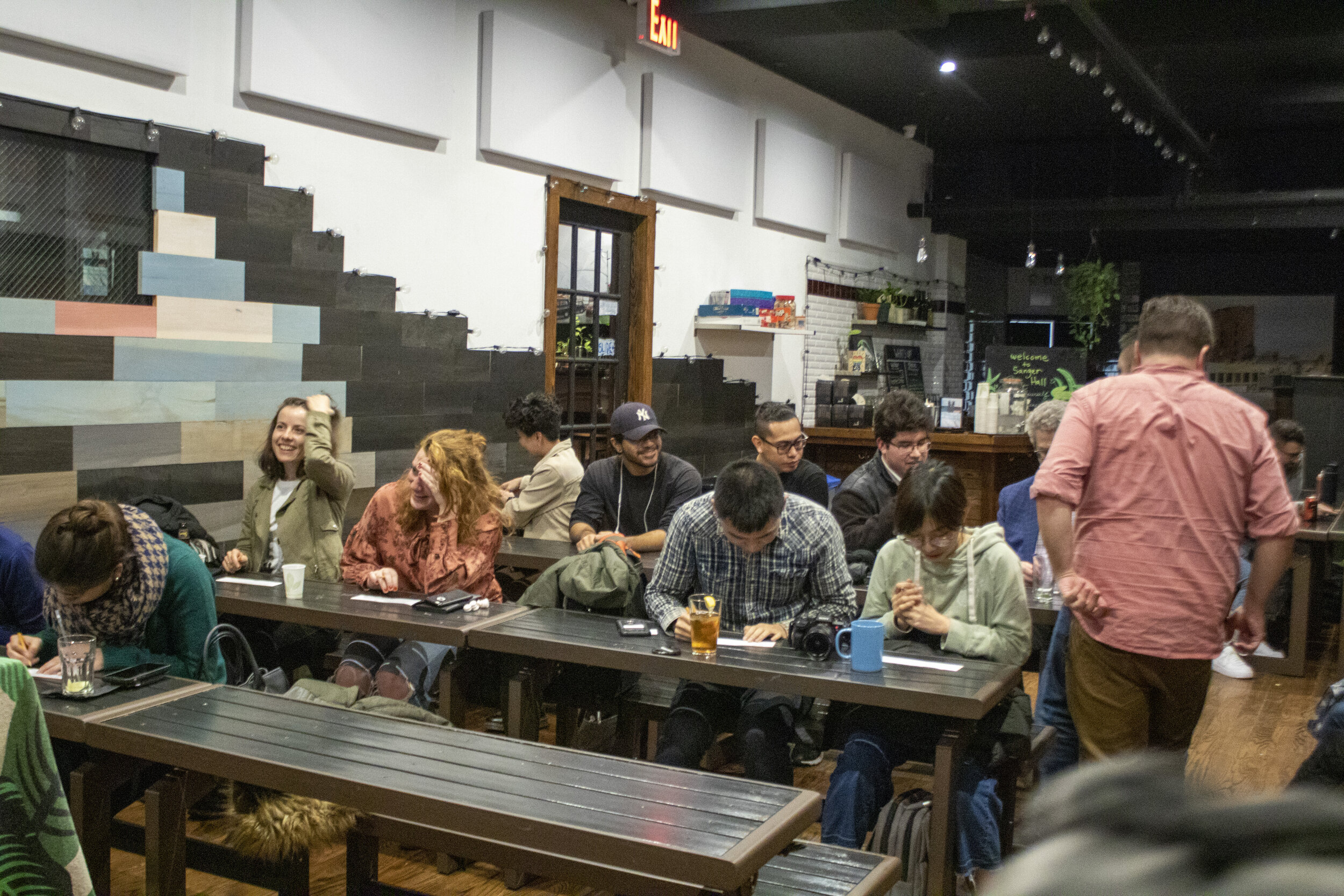
Tuesday evening was our January screening of IndieWorks, and what a night it was! Despite a slight delay at the top of the evening because of our venue’s projector breaking down (shout-out to Justin, Christina’s husband, for showing up with our backup projector), the evening went very well and was a great way to start off 2020. We had over 25 people in house for our 5 films of the evening. The whole lineup had a through-line of family as a theme, with the first set of films featuring unnerving pieces that also explored isolation and uncertain futures, and the second set featuring sweeter and sometimes somber pieces about memory and reconnection. We had a wonderfully engaged audience in house, filled with some alumni who didn’t have work of their own screening; so the Q&As were especially thoughtful, and there was an extra amount of mingling at the end of the evening — which we love to see!
We'd like to say thank you to the filmmakers and the audience for coming out to spend the evening with us. We hope all enjoyed the films, as well as the opportunity to network with other filmmakers and film enthusiasts. We hope some valuable connections were made!
We also hope to see YOU at our February screening on the 11th! It’ll feature films that explore the vulnerabilities of dating and pursuing love.
See photos from the evening:

The Films of the night:
Empty (directed by Cameron Morton, written by Anna Bierhaus, represented by cinematographer Eurica Yu)
Chantal and her partner, Maria, arrive at their daughter’s school for their everyday pick-up and are alarmed when the school is empty. "EMPTY" follows a mother’s harrowing journey as she tries to find her missing daughter in a Kafka-esque world.
Eugene (directed by Rachael Meyers, written by Elisabeth Tsubota & Ian Ostroot)
Set in a Dystopian future, A couple is forced to masquerade as perfect in order to get a child.
Stari Grad (Old Town) (written & directed by Jack Beck)
A fable set in Old Town, Dubrovnik, Croatia. A boy, hiding from artillery fire, makes a wish for peace, with unexpected results.
Abuelo (written & directed by Daniel C Rodriguez)
Hernan Sanchez is a lonely widower, living by himself, often losing himself in photos of his past, trying to grasp the moments that brought him joy. His Grandson, Jonathan Sanchez, frequently visits him to check up on his Grandfather but the two have grown distant and don't communicate as much. On a routine visit Jonathan attempts to reach out and the two share a conversation regarding photos in Hernan's favorite photo book.
A Poem in Bamboo (directed & animated by Chun(Luke)-Yao Chang & XuFei Wu)
When bad things happen, some people are lucky enough to move on, but not the old lady A-Yuan. Either because of the deepest love to her lover or social constriction, that women should belong to their husbands, A-Yuan was trapped in the past after the death of her lover.
Watch our Q&A Recap. *Please know there are some film spoilers - feel free to look for an opportunity to catch the films at a festival or computer screen near you & then come back to watch!
The awards go to...
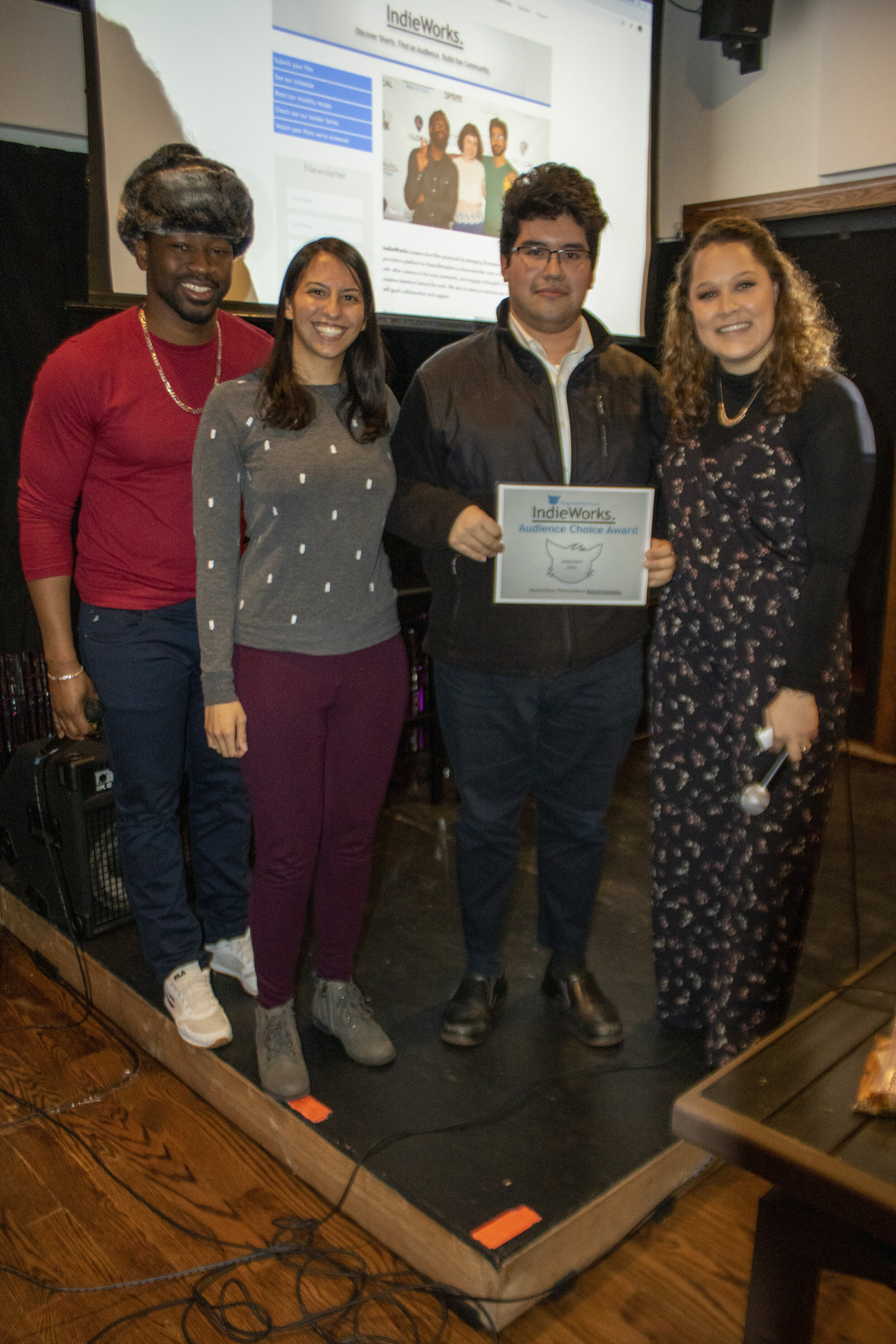
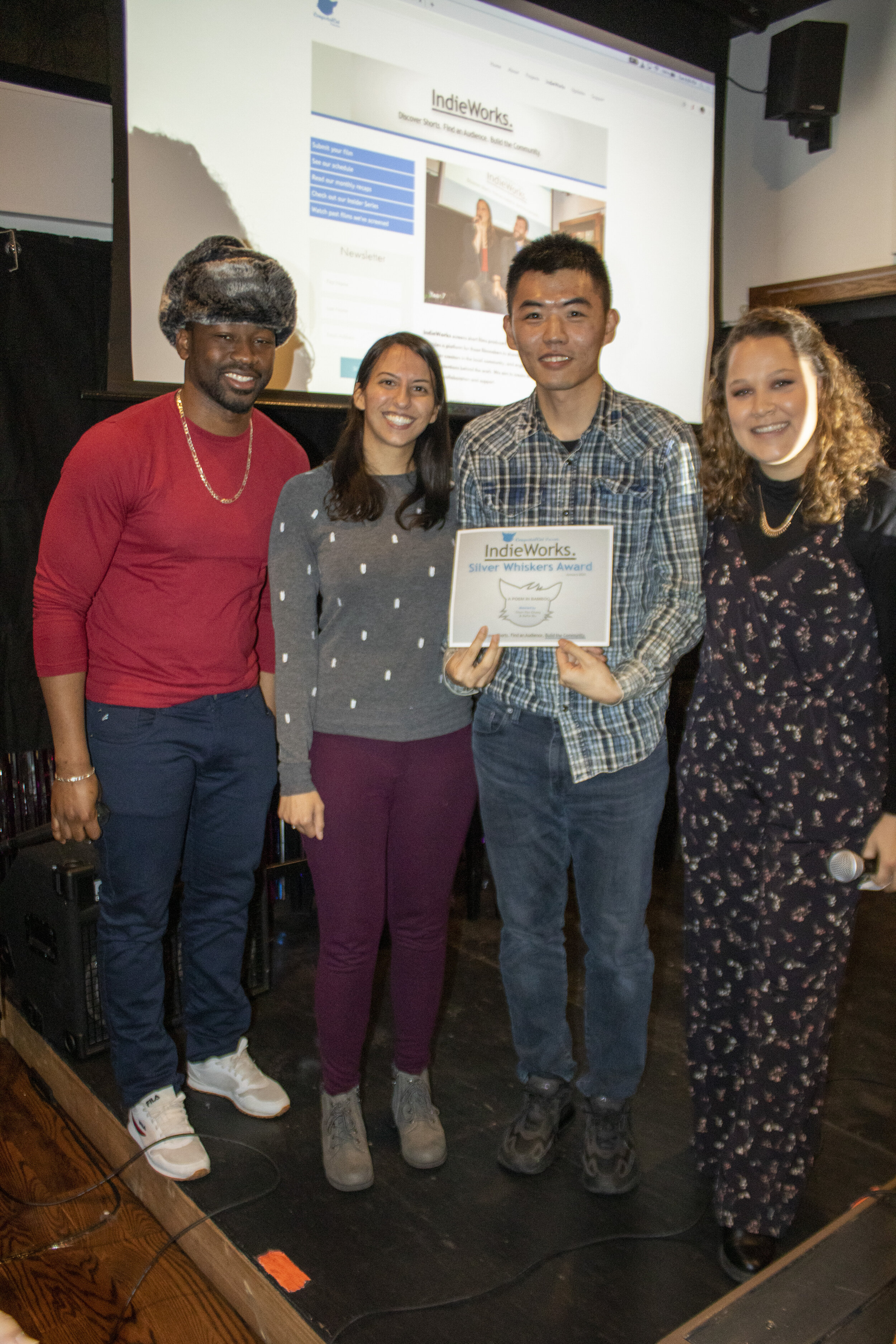
At the end of the evening, we announced our winning filmmakers for both Audience Choice Award & Silver Whiskers Award. The Audience Choice Award is voted upon by all those in attendance, and the Silver Whiskers Award is judged by the CongestedCat team based on a rating system of 8 categories: Story, Dialogue/Writing, Direction, Acting, Cinematography, Sound, Editing, and Production Value, along with a nuanced discussion focused on inclusion and originality. The Silver Whiskers winner goes on to screen again at our end of year Best of Fest screening in April.
The Silver Whiskers winner also receives $50 towards a crowdfunding campaign on SeedandSpark.com should they use the platform and 50% off 4MileCircus' post-production audio cleaning service for a future project.
The January 2020 winning films were:
Audience Choice: Abuelo
Silver Whiskers Award: A Poem in Bamboo
